


Children
A care pathway designed to accompany children from their first visit through to adolescence.
First time at the dentist
At Bludental centers, we welcome children and their families with an approach designed to build a relationship of trust from the very beginning, turning the visit into a moment of discovery and guiding parents and children along a path that puts well-being at the center.
It is never too early to start taking care of your teeth.
And it is never too late to do it the right way.
When to start
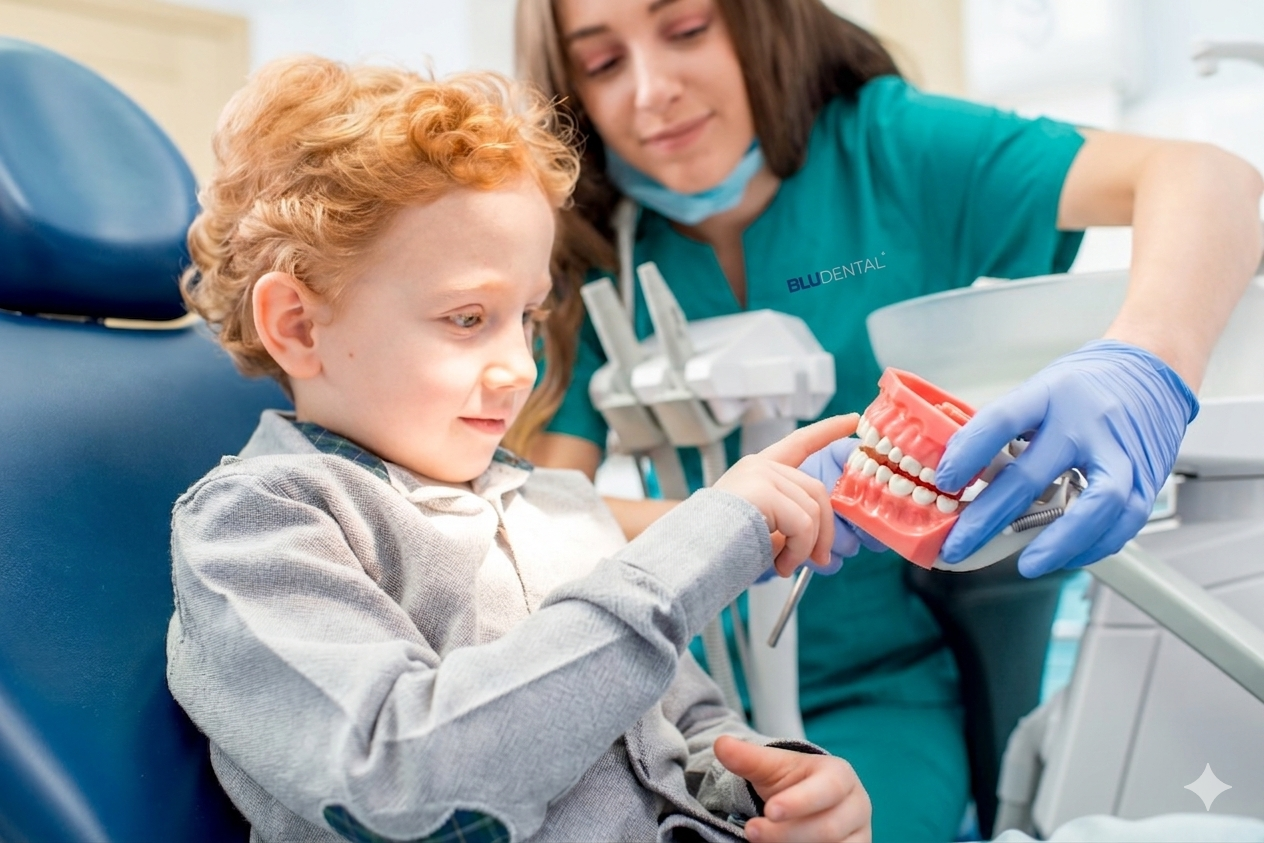
The guidelines of the Ministry of Health recommend a first dental check-up between 18 and 24 months, when the primary teeth (baby teeth) are nearing completion. In the absence of obvious problems, a good window to start is around 3 years old, when all twenty baby teeth have come in and the child can cooperate more easily.
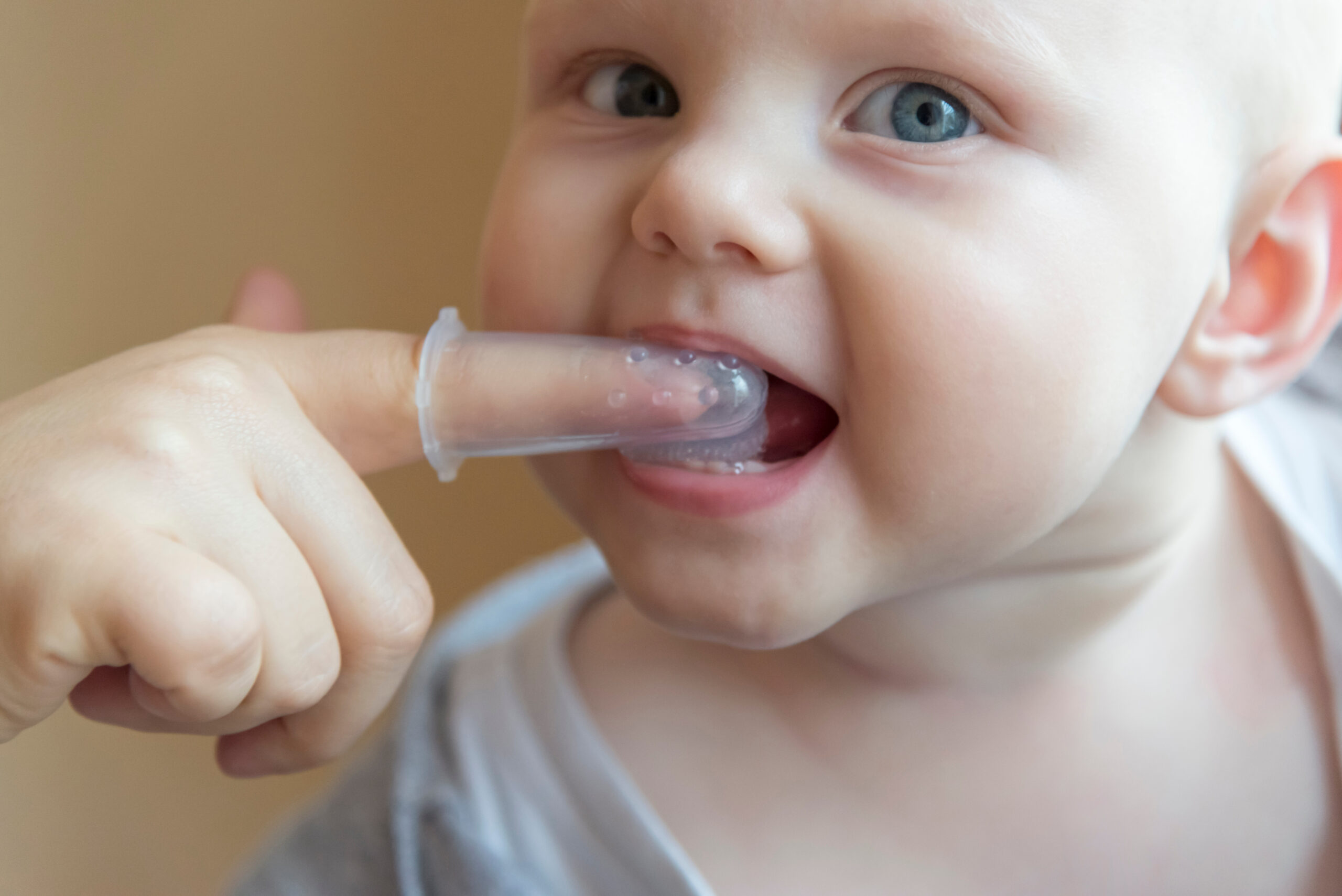
- From 6 months: Start cleaning the gums and first little teeth with gauze or a soft toothbrush
- By age 3: First introductory visit, observation of the primary (baby) teeth
- Around age 6: Eruption of the first permanent molars, evaluation for dental sealants and interceptive orthodontics
- From 6 to 12 years: Regular check-ups every 6-12 months, monitoring of tooth shedding and eruption, possible orthodontic treatment
- Adolescence: Consolidating good habits
Baby teeth matter
There is a widespread but mistaken belief: baby teeth will fall out anyway, so they aren’t worth treating. In reality, the health of primary teeth directly affects the development of permanent ones.
Baby teeth maintain space in the dental arches for permanent teeth. If they are lost too early due to decay or infections, neighboring teeth can shift and compromise future alignment. Furthermore, untreated tooth decay can cause pain, difficulty chewing and speaking, and negatively affect the child’s quality of life.
According to data from the Ministry of Health, at age 4, one in four children already has at least one cavity. By age 12, the percentage rises to nearly one in two. These numbers demonstrate just how important it is to start prevention early.

SERVICES DEDICATED TO CHILDREN
First check-up and routine examinations
Oral hygiene and fluoride therapy
Teaching children how to brush their teeth correctly is one of the most important investments for their future health. During visits, we show our young patients how to use their toothbrush and toothpaste, and guide parents on how to supervise this routine until the child has developed adequate manual dexterity (usually around 7-8 years old). When indicated, we apply fluoride varnishes to strengthen the enamel and protect teeth from decay.
Dental sealants
The first permanent molars erupt around age 6, behind the baby teeth. They are essential teeth, but their deep grooves make them particularly vulnerable to decay, especially at a stage when children do not yet have the manual dexterity to clean them thoroughly.
Sealant application is a simple, quick, and painless procedure: a protective resin is applied to the chewing surface of the tooth, closing the grooves and preventing bacteria from infiltrating. Data from the Ministry of Health indicates that dental sealants prevent decay in 87% of cases three years after application, in 76% after four years, and in 65% after nine years.
Interceptive orthodontics
Between the ages of 6 and 10, the jawbones are still growing and can be guided in the right direction. Interceptive orthodontics takes advantage of this time window to correct developing issues at an early stage, such as a narrow palate, crossbite, dental crowding, or harmful habits (thumb sucking, mouth breathing, atypical swallowing).
Intervening during this phase can reduce the need for more complex treatments during adolescence, avoid extractions, and, in some cases, prevent the need for surgical procedures in adulthood. Not all children require interceptive orthodontics, but an early evaluation makes it possible to identify those who can benefit from it.
Cavity treatment
When a cavity is detected, we intervene to treat it using an approach tailored to the child’s age. We use minimally invasive techniques, reassuring language, and all the time necessary to make our young patient feel at ease. In some cases, for particularly anxious children or more complex treatments, it is possible to use conscious sedation with nitrous oxide—a safe and well-established technique that allows us to work in a calm and peaceful environment.
Management of dental trauma
Falls, bumps, accidents during playtime: dental trauma is common in children. Knowing what to do in the first few minutes can make all the difference. If a permanent tooth is avulsed (completely knocked out), it should be preserved in milk or saliva and brought to the dentist as soon as possible. In case of fracture or mobility, a prompt evaluation is crucial to determine the most appropriate treatment.
The Bludental Method: Prevention, care, and a lot of listening.
Fear of the dentist is common among children, and often stems from previous negative experiences, parental anxiety, or simply the novelty of the environment. This is why we dedicate time and care to building a relationship of trust with each and every young patient. This is why we dedicate time and care to building a relationship of trust with each and every young patient.
The goal is not only to treat teeth, but to ensure that the child grows up with a positive outlook on the dentist and oral hygiene practices, building the foundation for a lifetime of good habits.
The Bludental journey
We celebrate small milestones, because every peaceful visit is a step forward
Good habits are built together, day after day.
Daily oral hygiene
- Start cleaning the baby’s mouth from the very first months, using a damp gauze on the gums
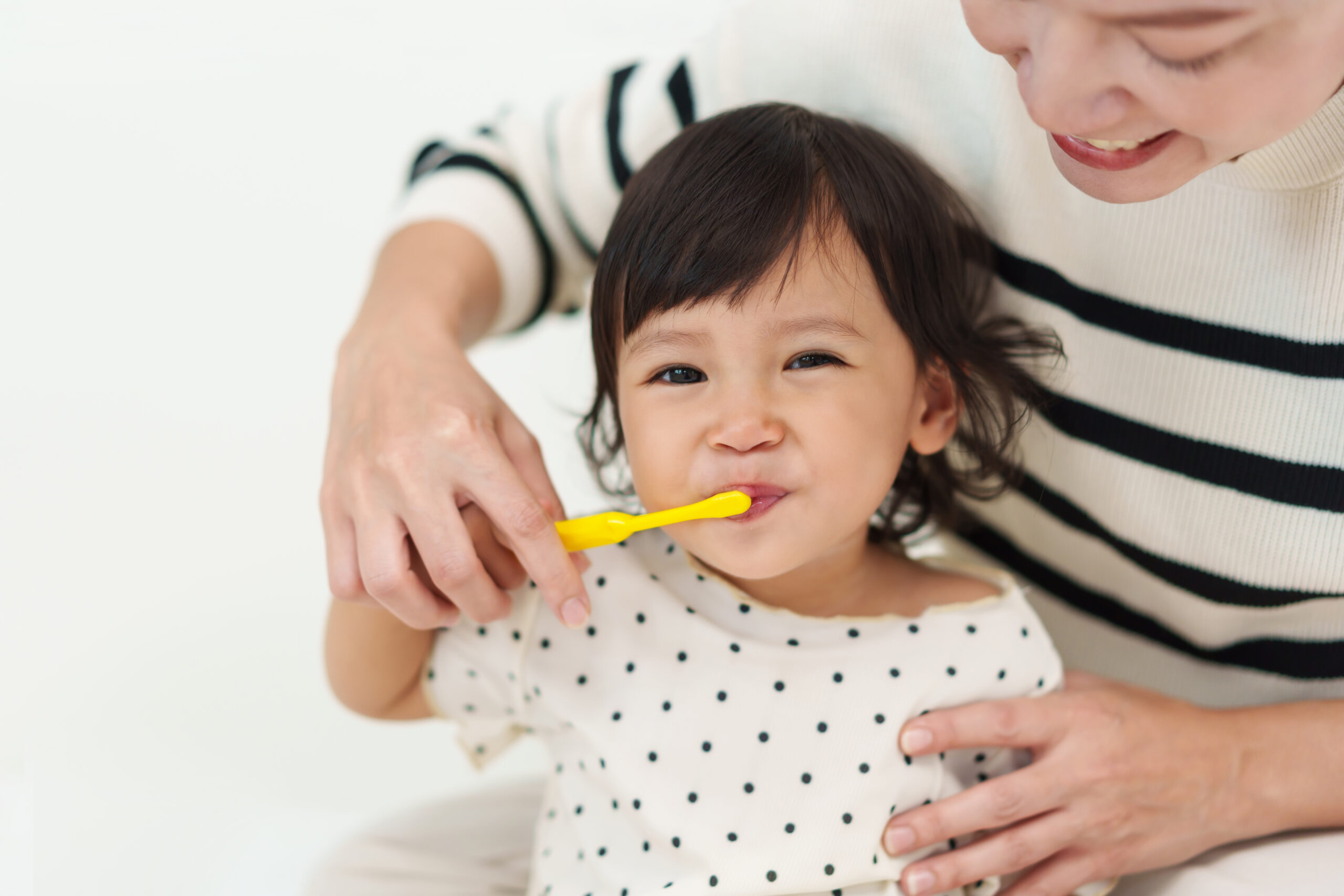
- When the first teeth erupt, switch to a soft toothbrush with a tiny amount of fluoride toothpaste (the size of a grain of rice up to age 2, and the size of a pea from ages 3 to 6)
- Supervise brushing until ages 7-8: children do not yet have the manual dexterity to clean all their teeth effectively
- Brush your teeth together: leading by example is the best way to teach
Diet
- Limit sugar and sugary drinks, especially between meals
- Avoid letting the child fall asleep with a bottle containing milk or juice (this can cause what is known as “baby bottle tooth decay”)
- Proponi spuntini sani: frutta, verdura, formaggi, acqua
Offer healthy snacks: fruit, vegetables, cheese, water
- Talk about the dentist visit in a positive and natural way, without passing on anxiety
- Avoid phrases like “it won’t hurt” (which actually introduce the idea of pain)
- Read children’s books about the dentist together or play “dentist” at home
- Bring the child when they are well, not when they are already in pain: the first experience should be a peaceful one